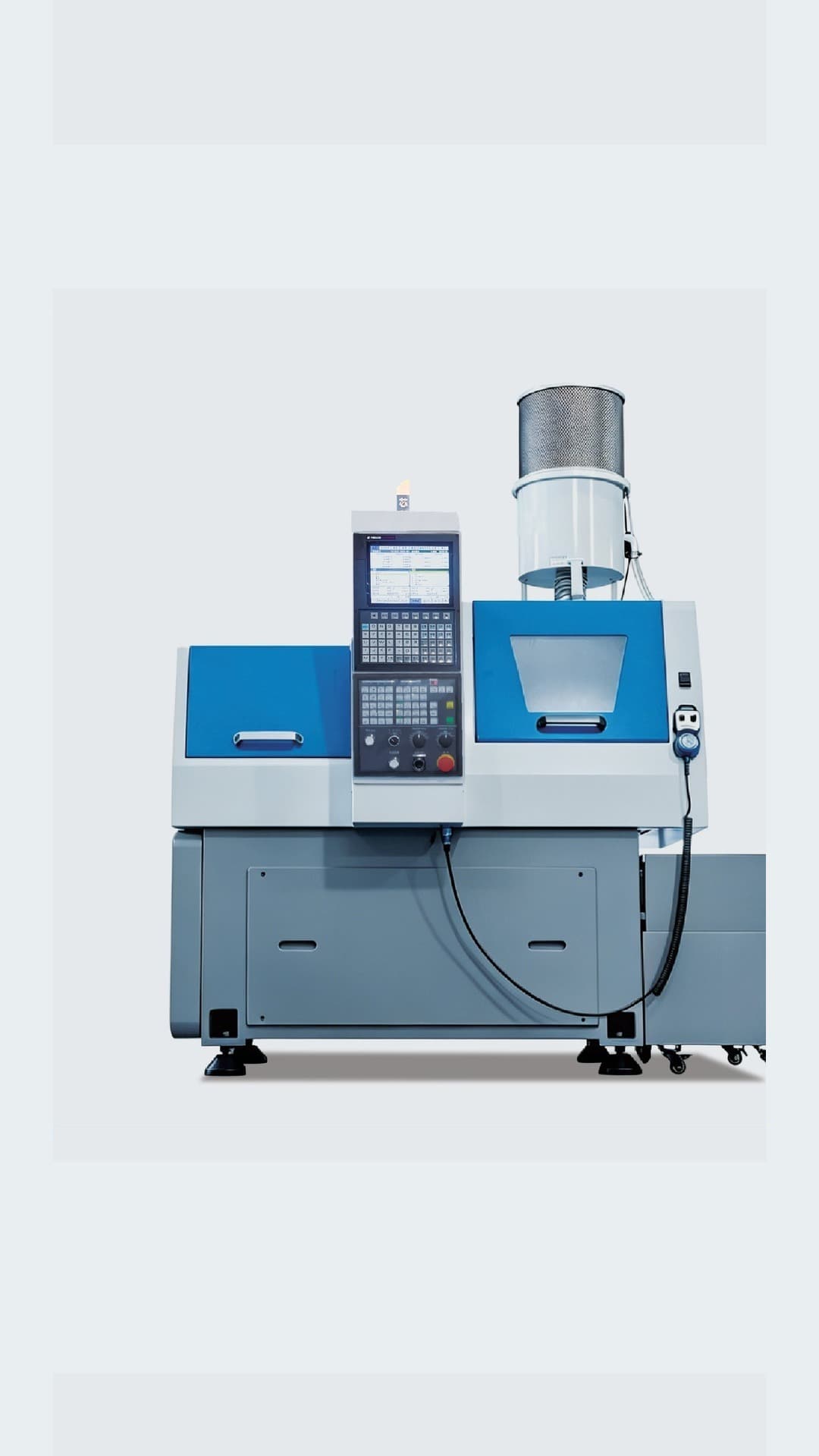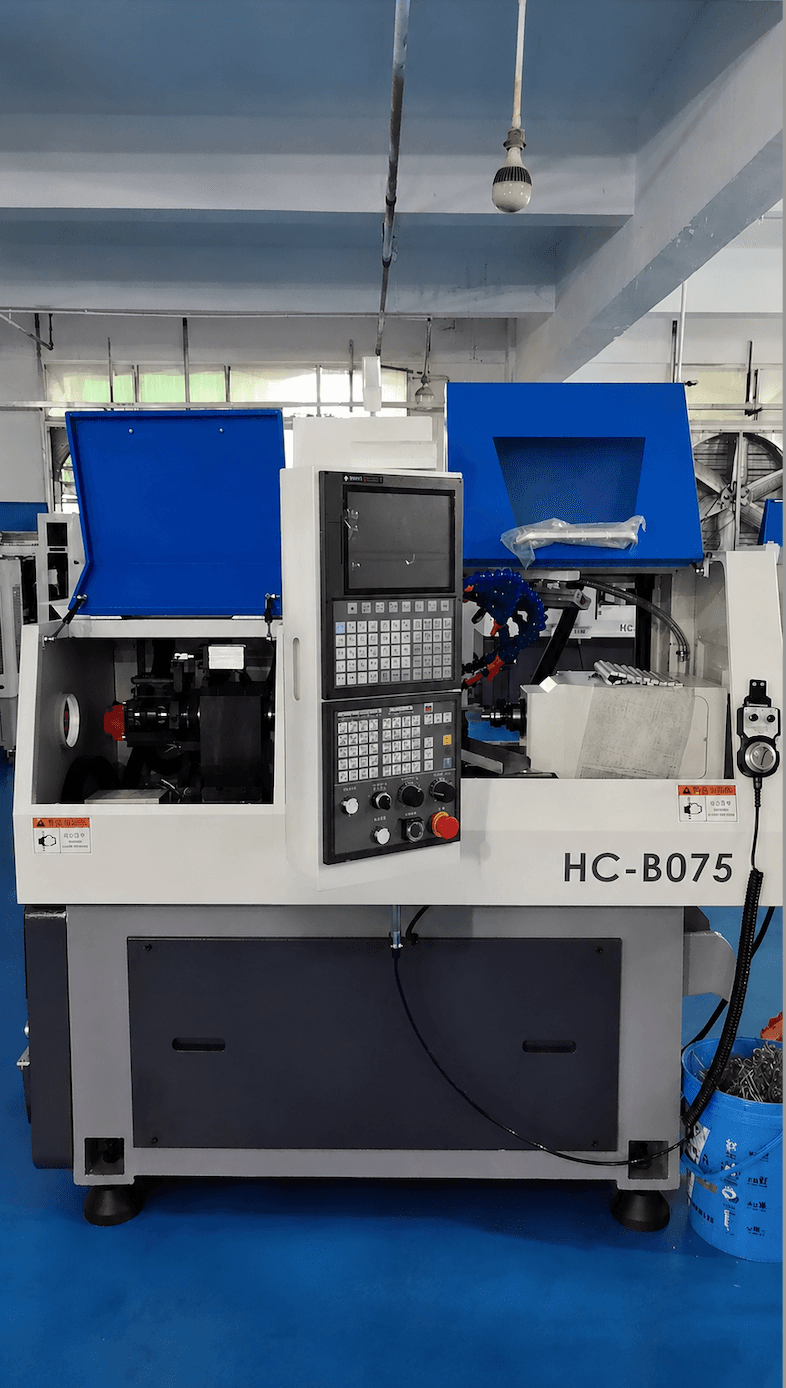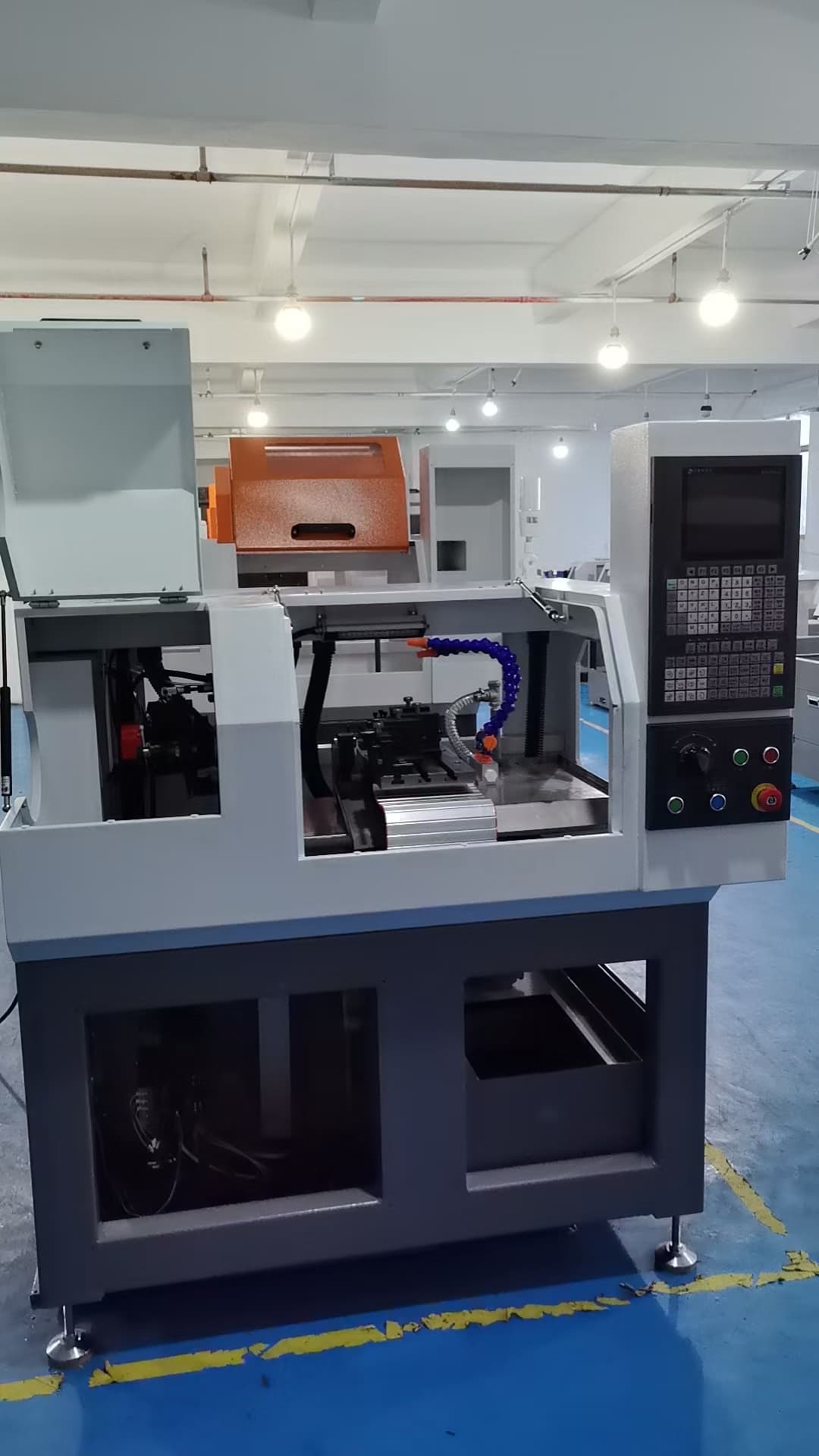
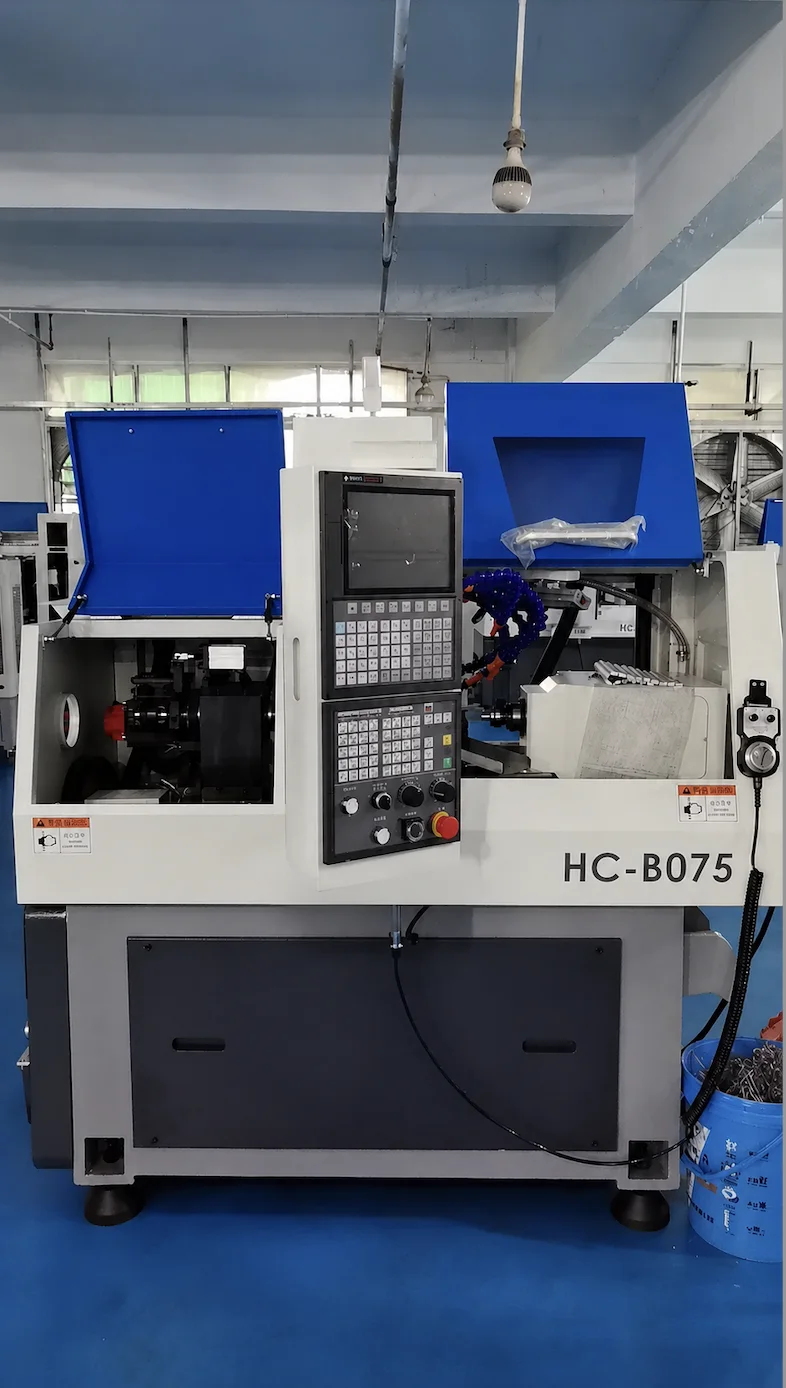
 7 mm class · HC-B075
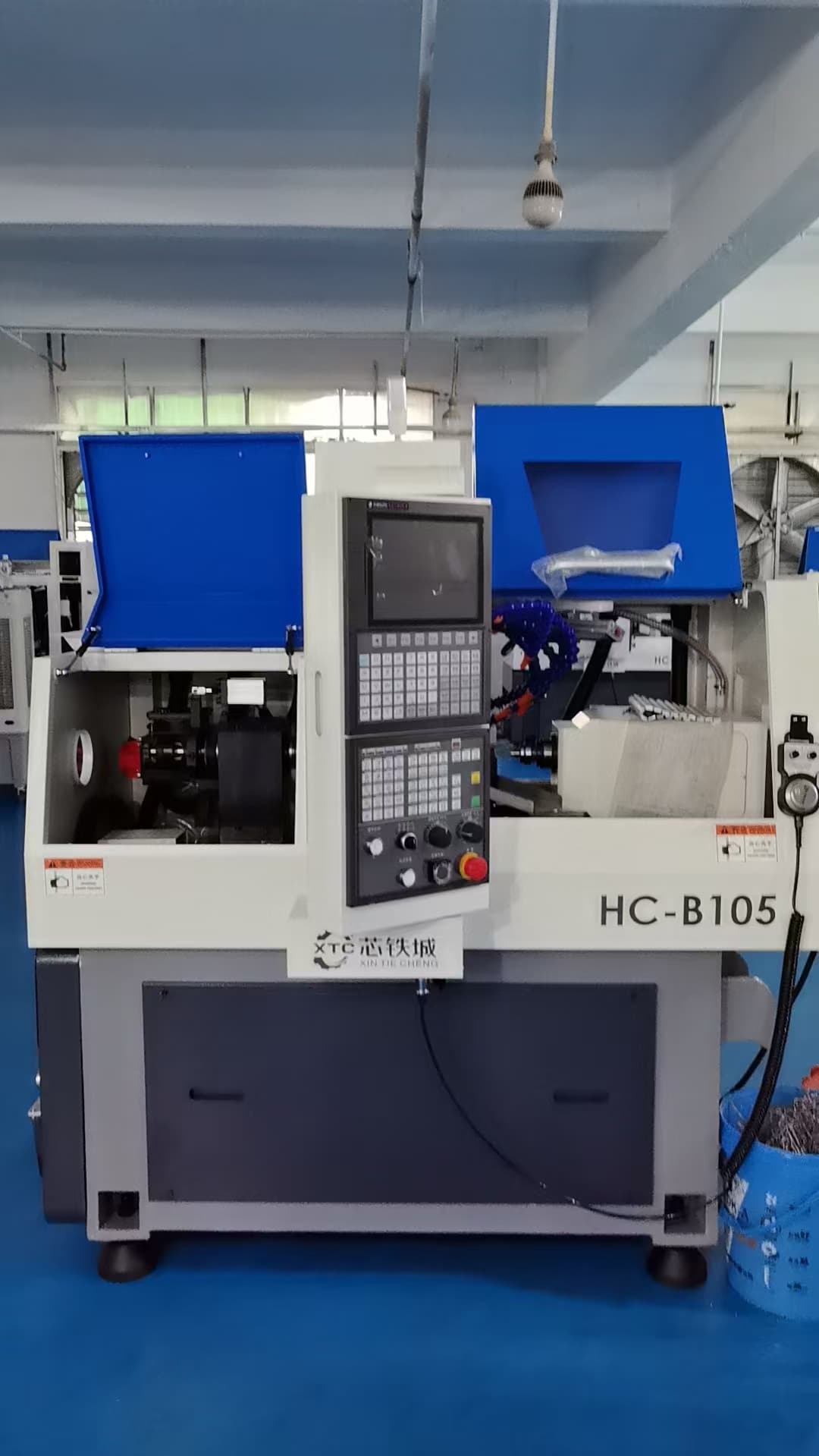
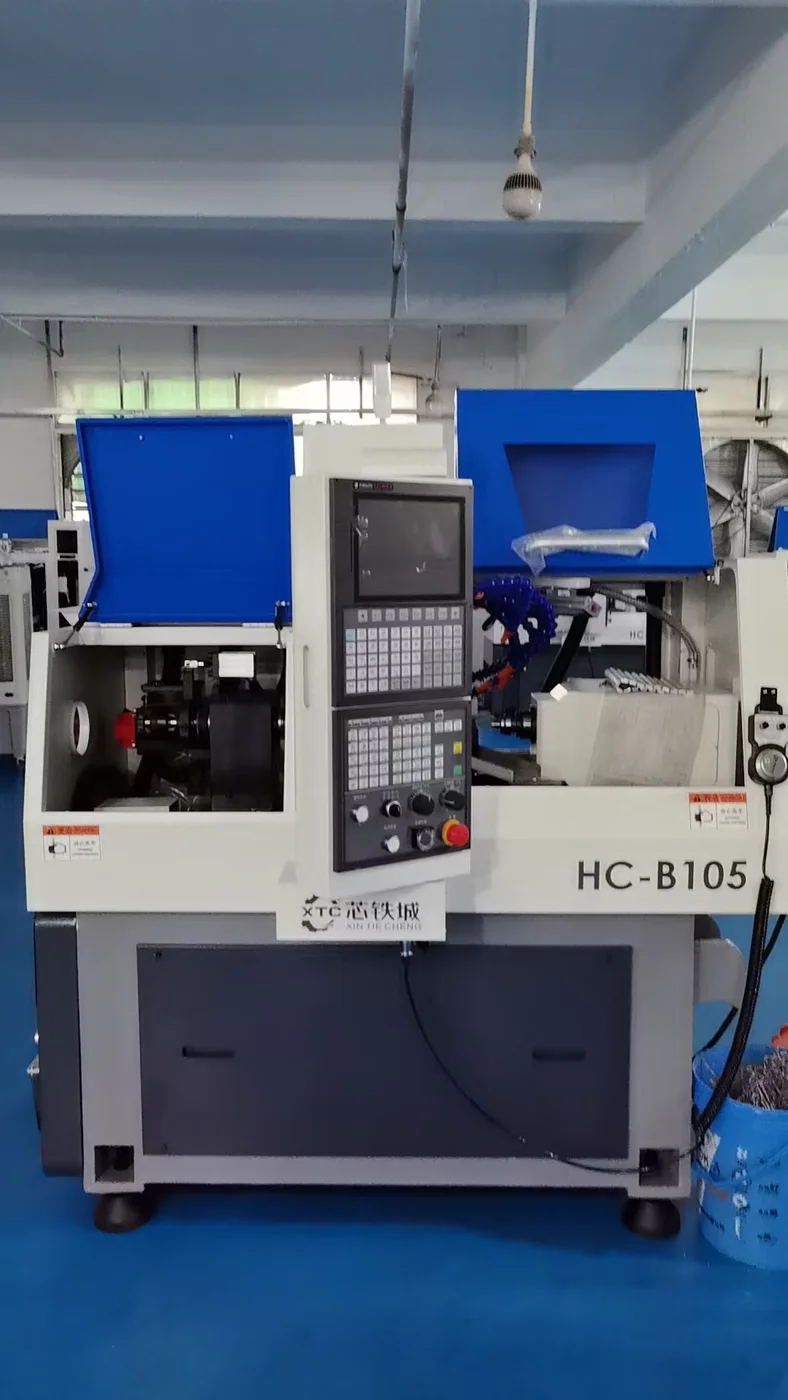 10 mm class · HC-B105
Start with the largest actual diameter
The drawing should identify the largest finished diameter and the incoming bar requirement. This immediately removes machines that do not have the confirmed capacity. It also prevents paying for a larger platform when the entire part family stays within a smaller class.
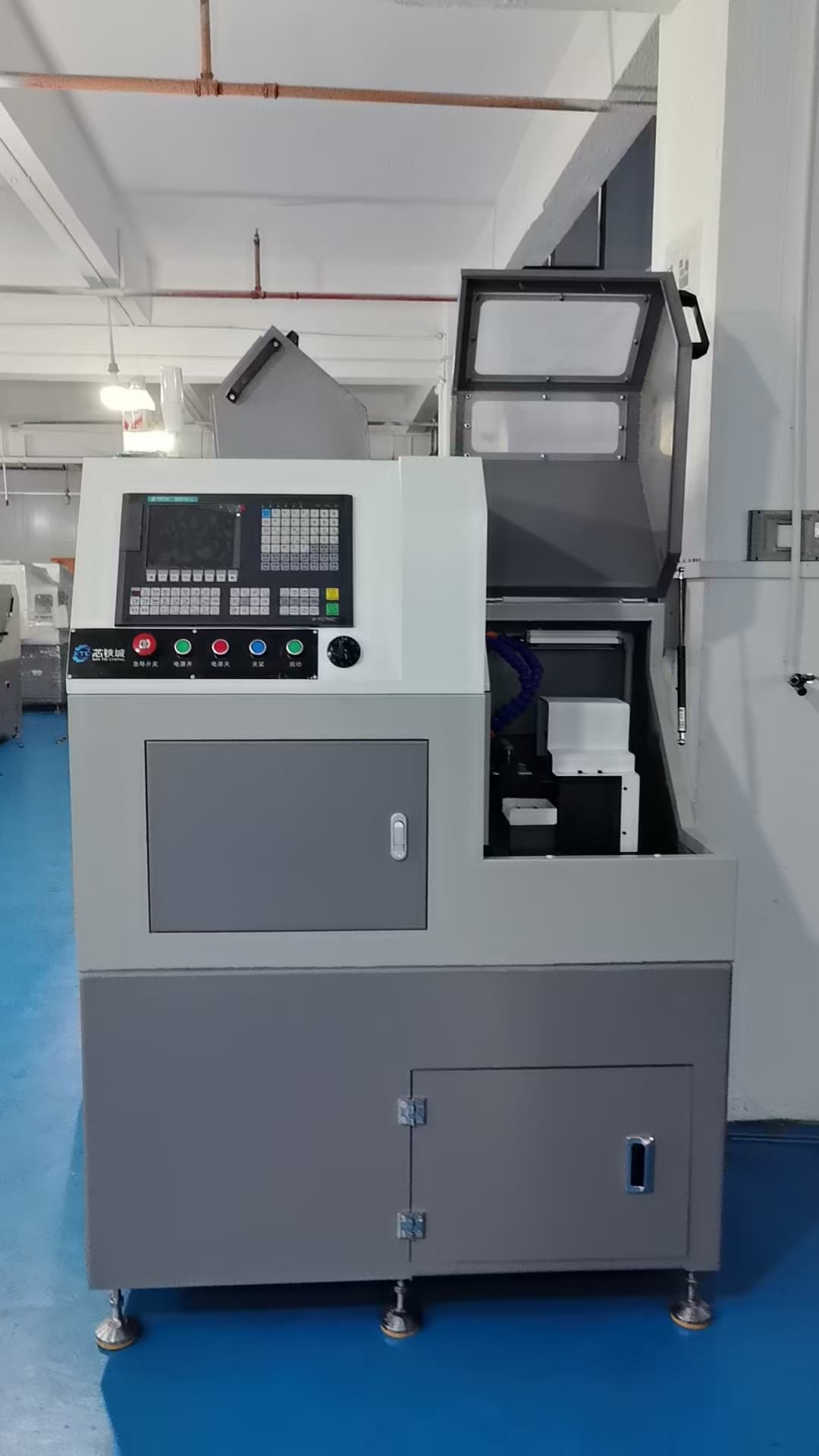
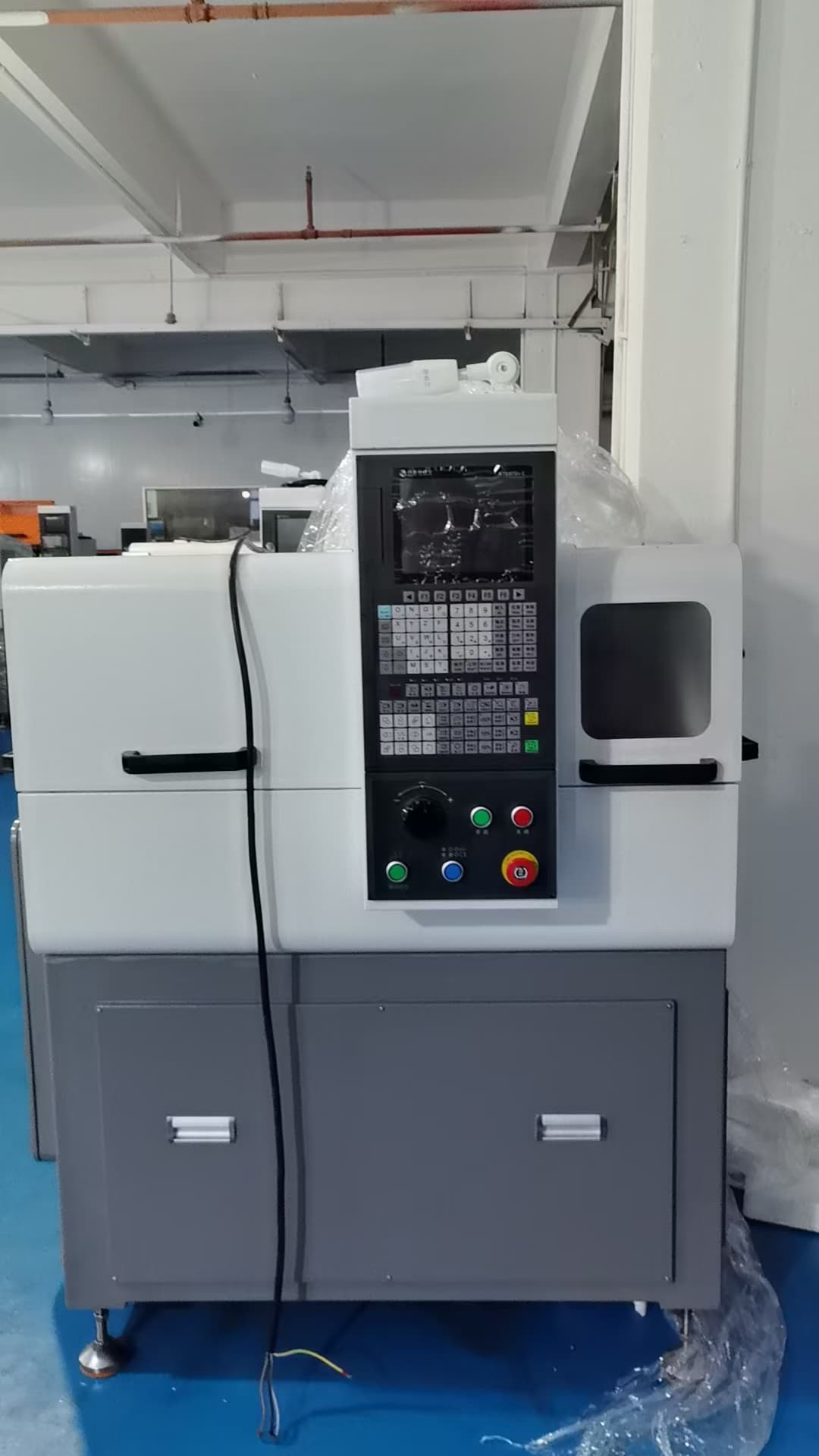
For the current XinTieCheng range shown on this website, HC-07Y, HC-07BAO, HC-B075 and HC-07D are listed in the 7 mm class. HC-B103 and HC-B105 are listed in the 10 mm class.
Diameter does not describe process complexity
Two parts with the same diameter can need very different machines. A simple turned pin may only need a compact row-tool platform. A connector component of the same diameter may require cross drilling, milling, indexing or back-working.
- Simple turning and front drilling may suit a compact three-axis layout.
- Indexed drilling or milling can require C-axis and powered-tool capability.
- Back-working can require a dual-spindle platform.
- Tool count and arrangement must be checked against the operation sequence.
Use a shortlist, then verify the drawing
Diameter is useful for creating a first shortlist. The next step is to compare length, material, tolerance, surface requirements, annual quantity and every machining operation. Engineering review then defines the suitable configuration for the application.
This guide draws on current manufacturer specifications and factory technical documentation. Our engineering review connects the drawing, tooling, cycle time, tolerance and required configuration for the intended application.