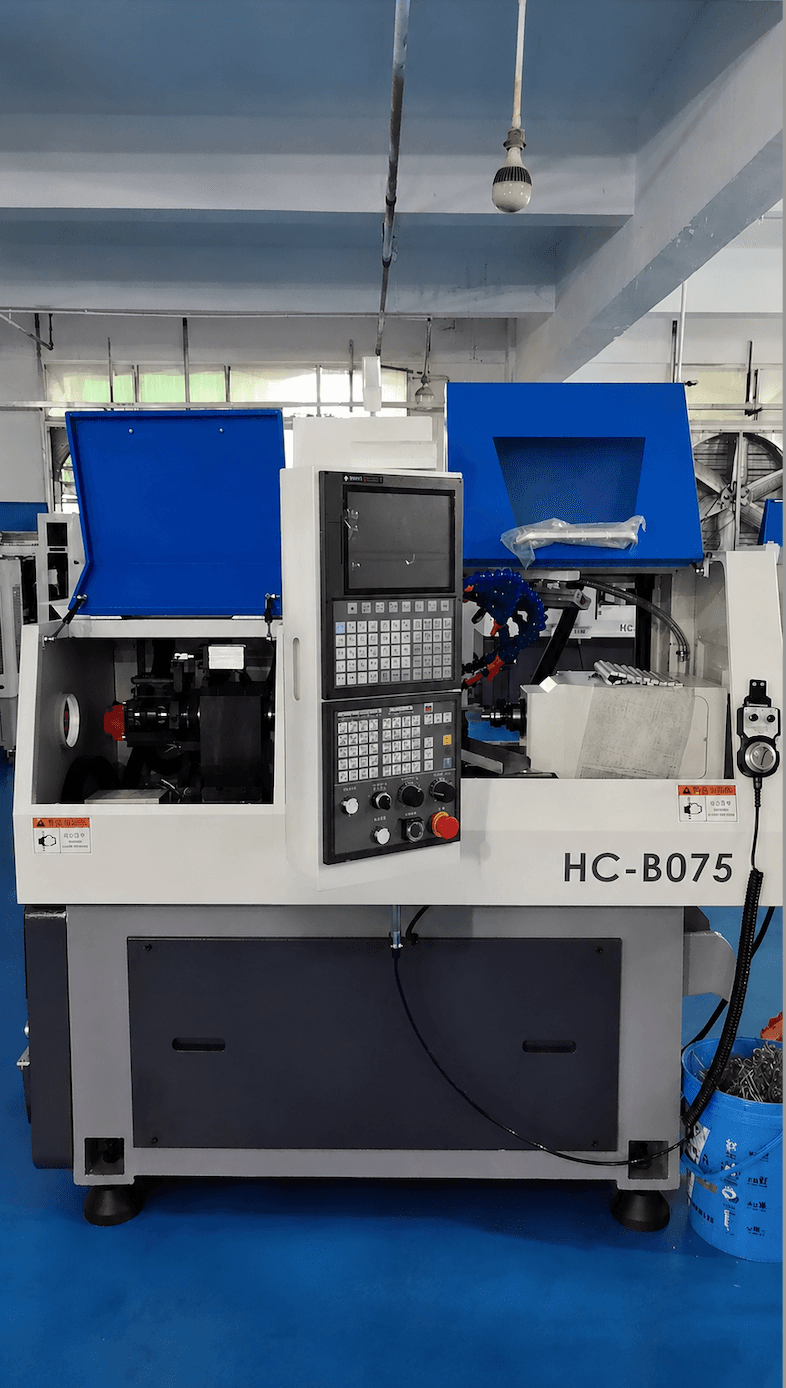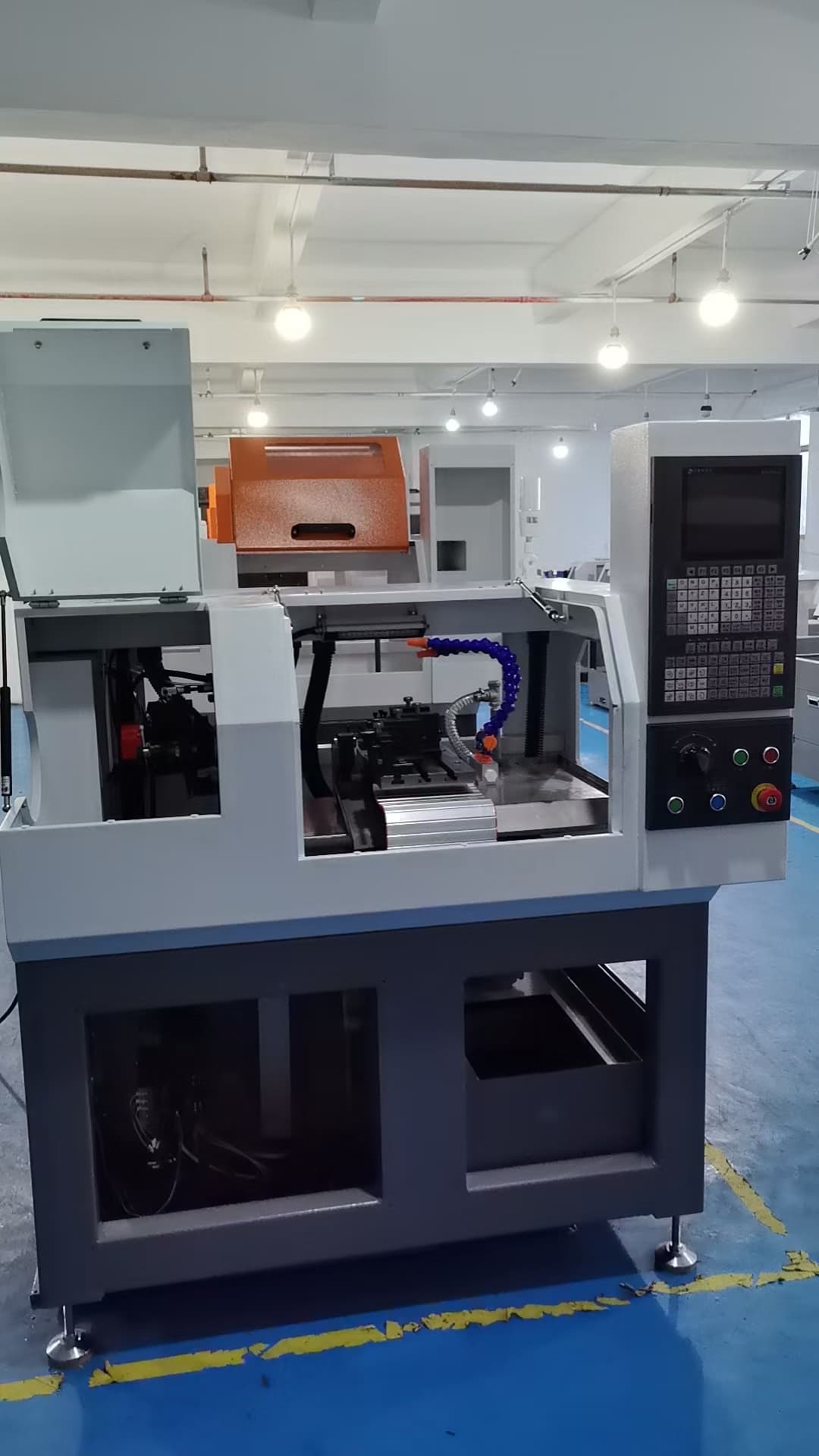
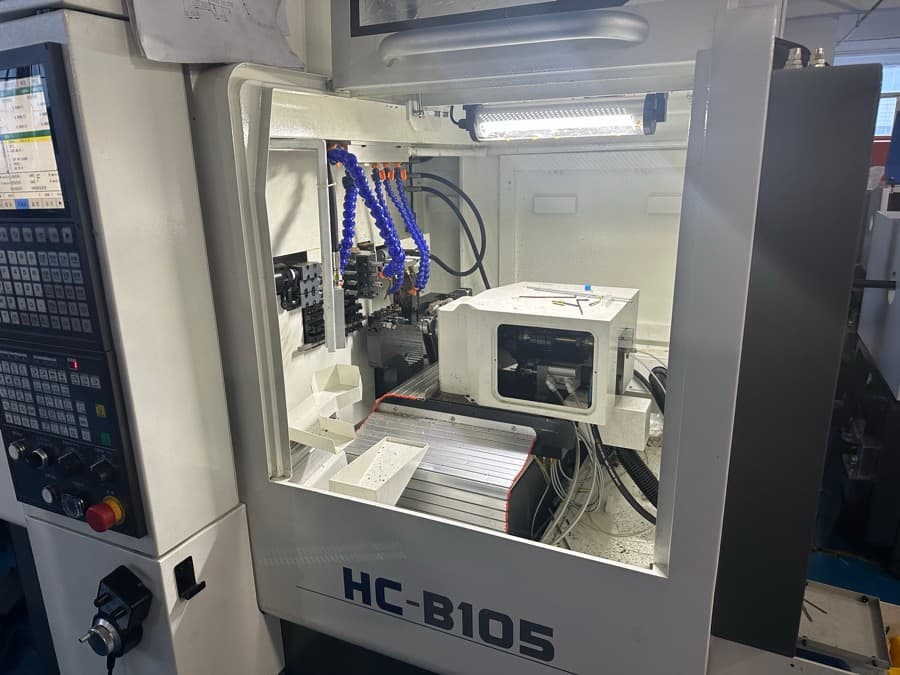
The basic working principle
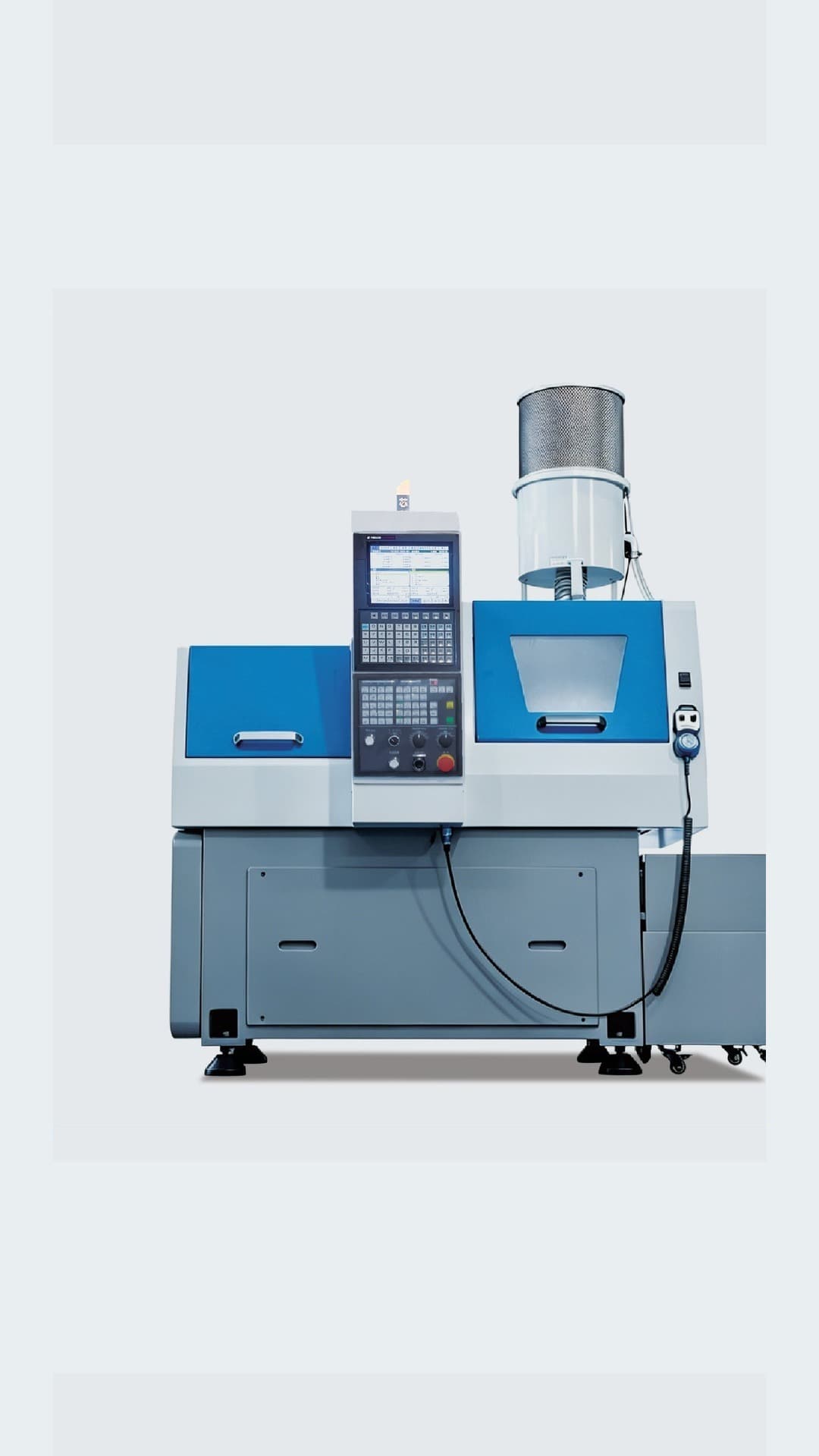
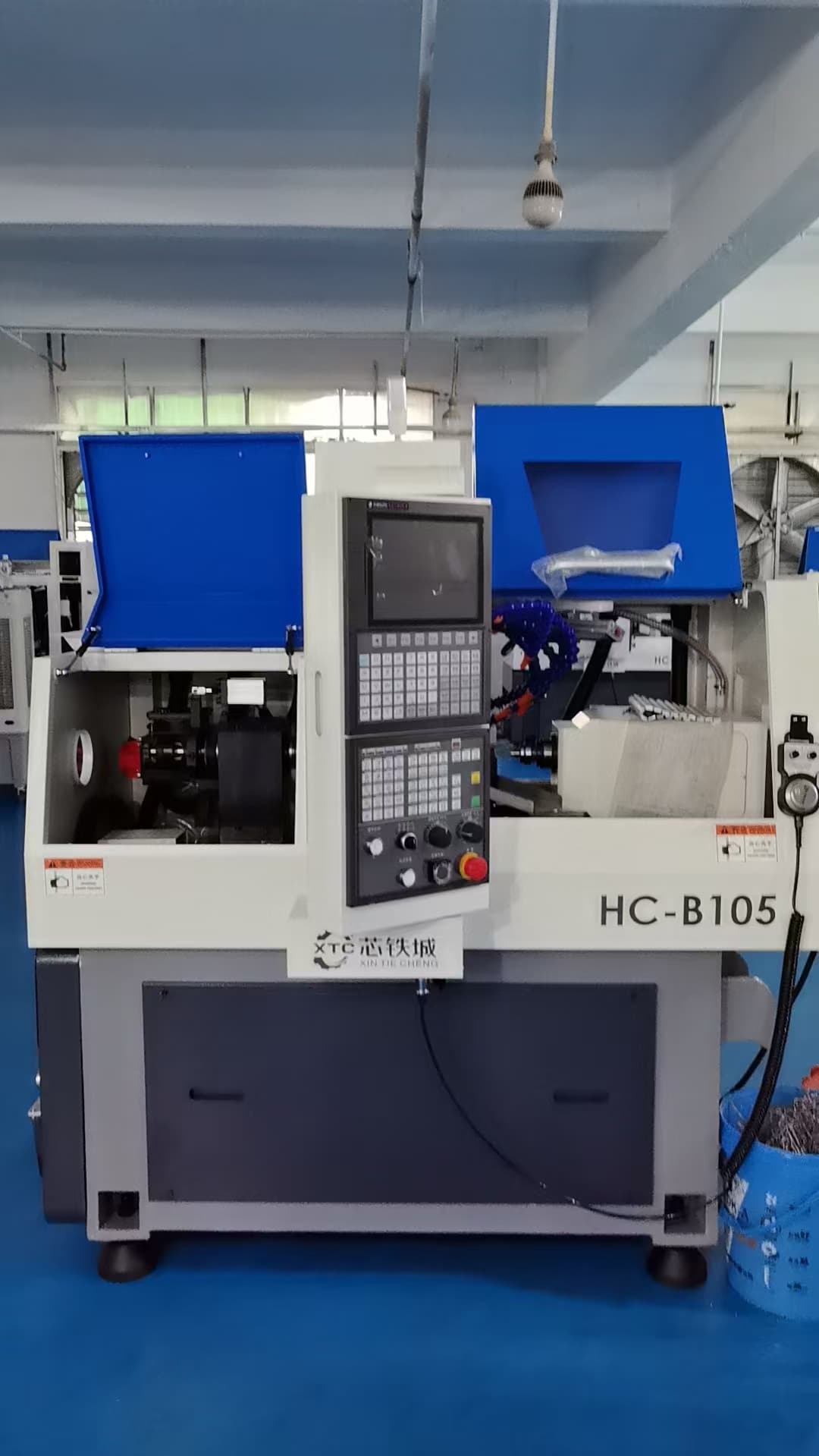
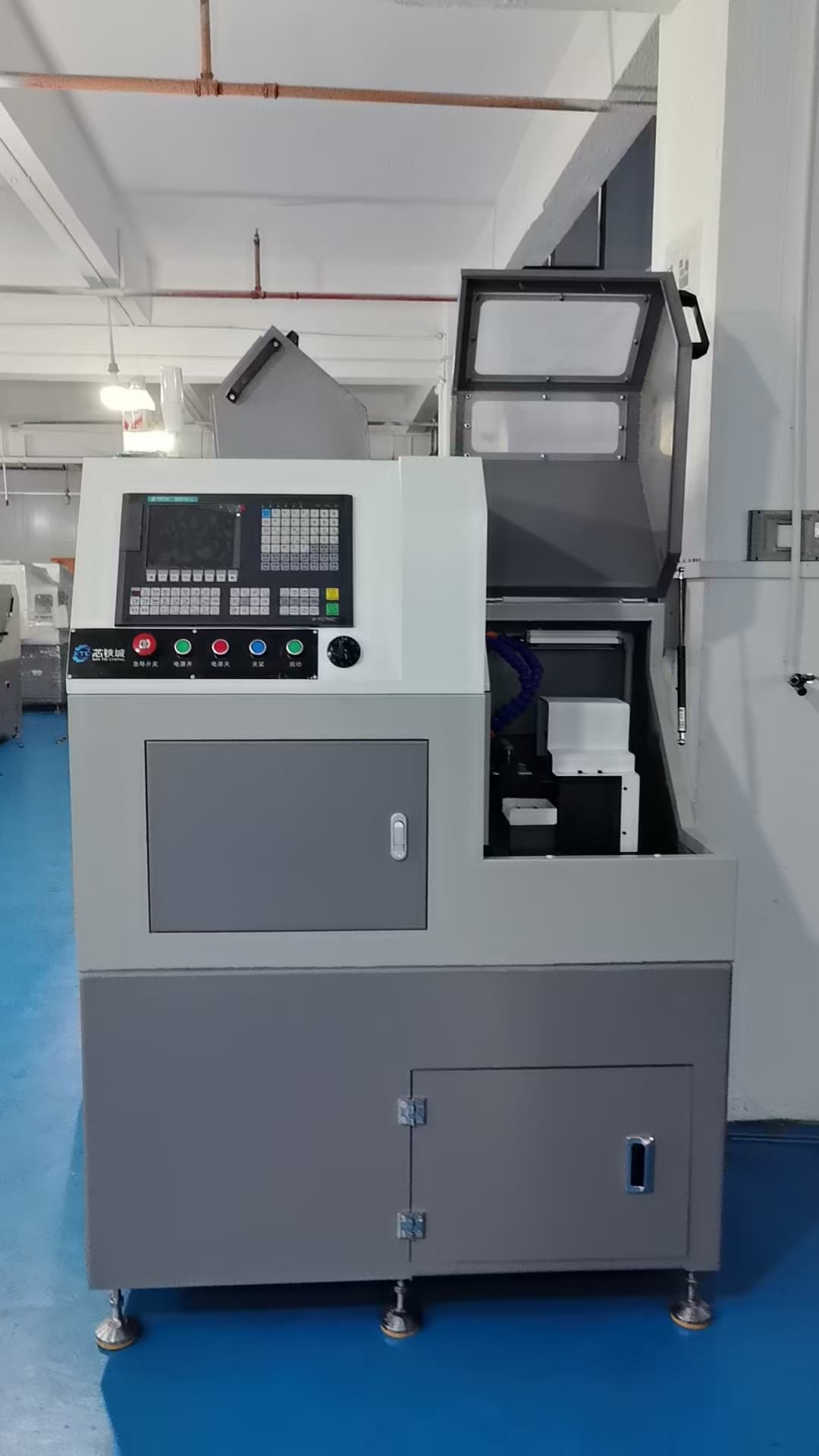
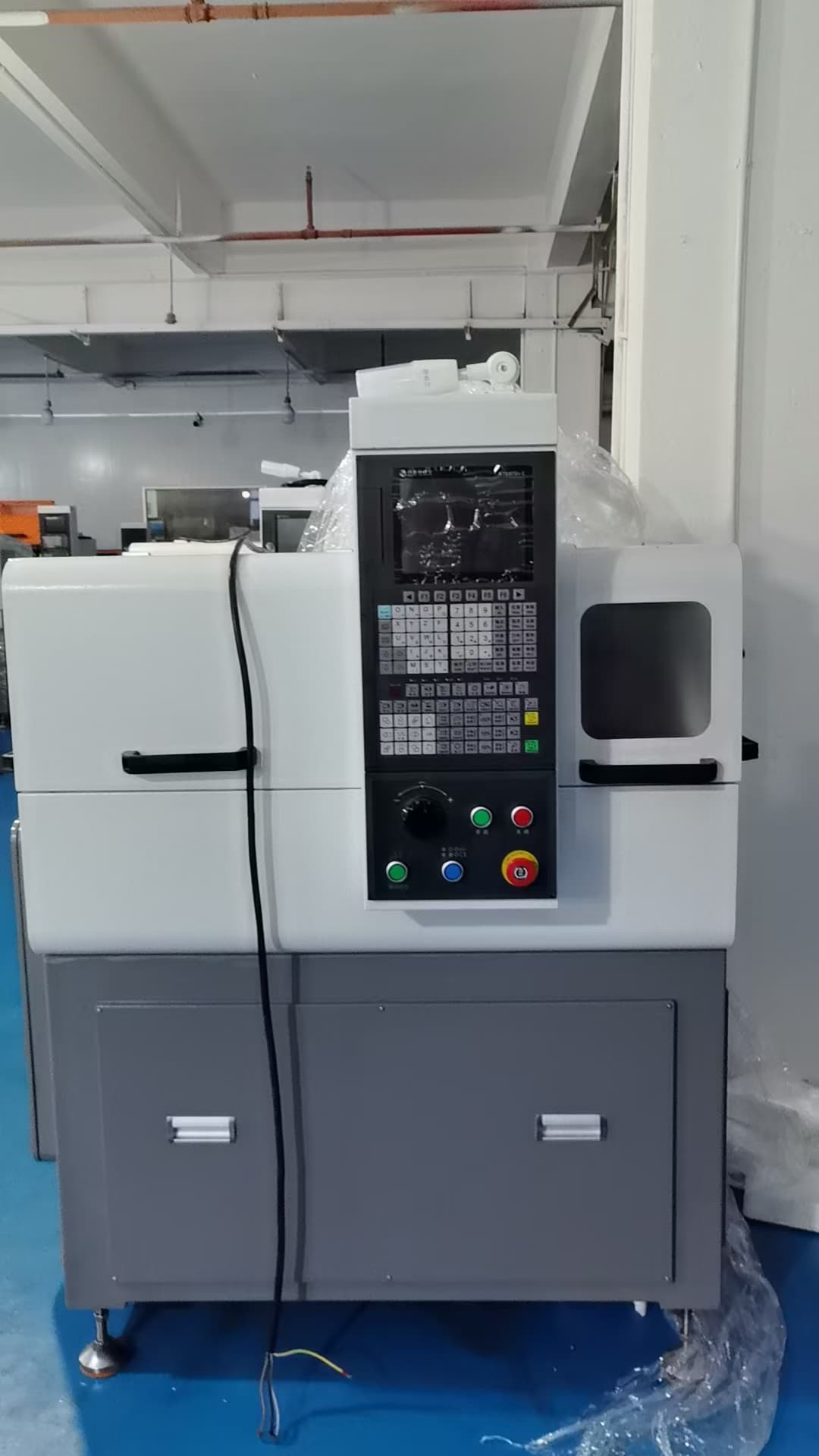
A Swiss-type CNC lathe is designed for repeatable production of small turned parts. Bar material is fed through the spindle, and cutting tools approach the material close to the machining area. This arrangement is especially useful when the part is small, slender or requires several operations in one controlled cycle.
The exact setup is not universal. Guide-bushing use, bar preparation, tooling and spindle configuration must match the part, material and required operations.
What happens during a typical cycle
A production cycle may combine feeding, turning, drilling, tapping, milling and cutoff. More advanced dual-spindle platforms may also transfer the part for back-working. The useful combination depends on the confirmed machine configuration.
- Feed the bar to the programmed position.
- Turn the outside profile and machine required front features.
- Use powered tools or indexed motion only when the part requires them.
- Cut off the part or transfer it for back-working on a suitable platform.
Why buyers should not select by axis count alone
More axes do not automatically mean a better purchase. A compact three-axis machine can be the practical choice for a simple part family. A five-axis dual-spindle platform becomes relevant when the drawing requires back-working or more compound operations.
The correct comparison starts with the part diameter, length, material, tolerance, monthly quantity and operation list—not with a model name.
What to send for an engineering evaluation
Send the part drawing or a clear sample photo together with material, tolerance, monthly quantity and required operations. This allows a useful first review without pretending that one machine fits every small part.
This guide draws on current manufacturer specifications and factory technical documentation. Our engineering review connects the drawing, tooling, cycle time, tolerance and required configuration for the intended application.