Translate the drawing into an operation map
Before comparing machines, turn the drawing into a clear sequence: feed, face, turn, drill, tap, mill, index, cut off and complete any required back-working. This prevents a buyer from choosing a machine because its brochure shows many tools while overlooking where those tools can actually work.
The map does not need to be a final cycle-time study. It is an efficient way to identify the operations, access directions and transfers for engineering review.
Tool count and useful tool arrangement are different
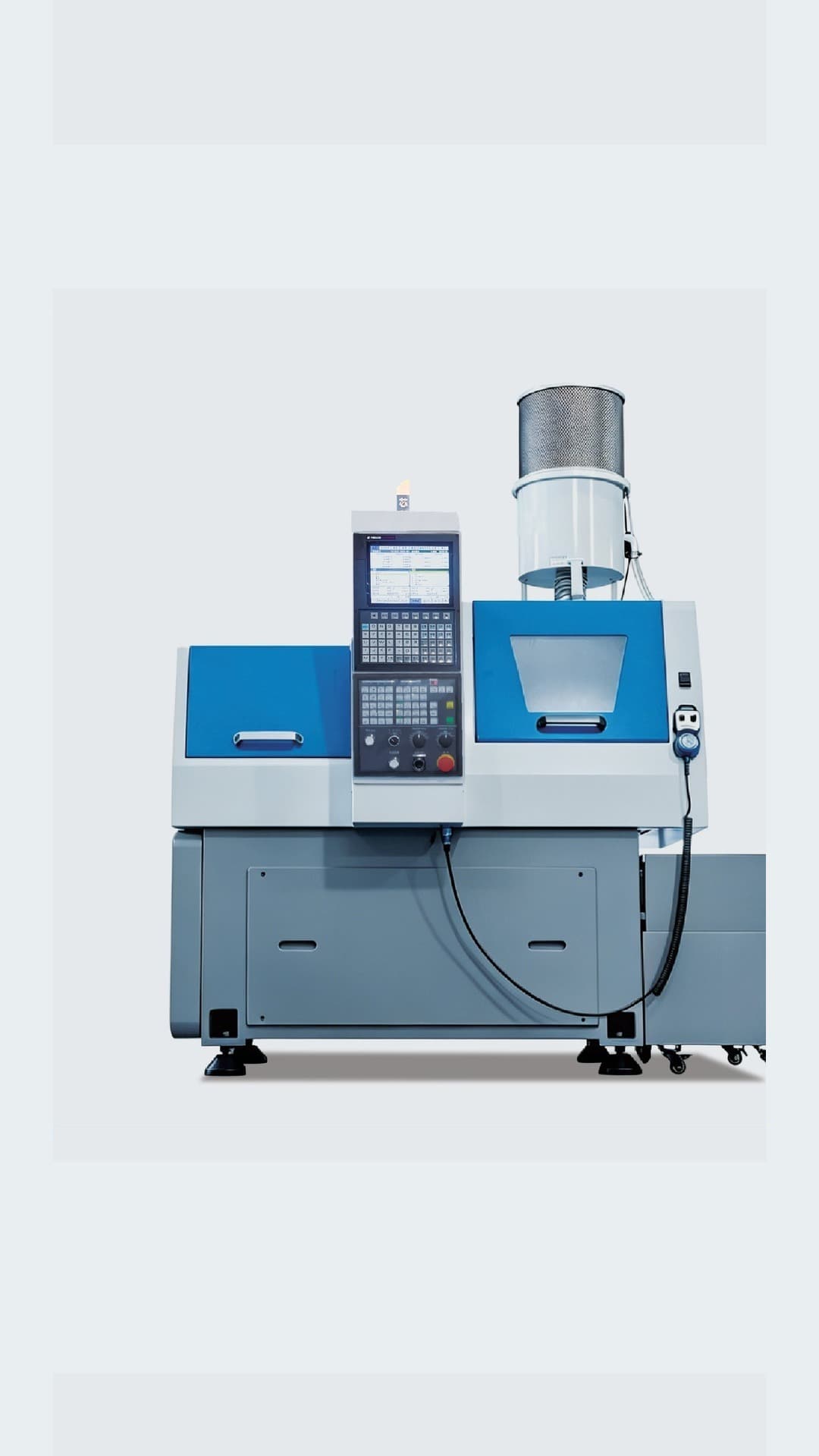
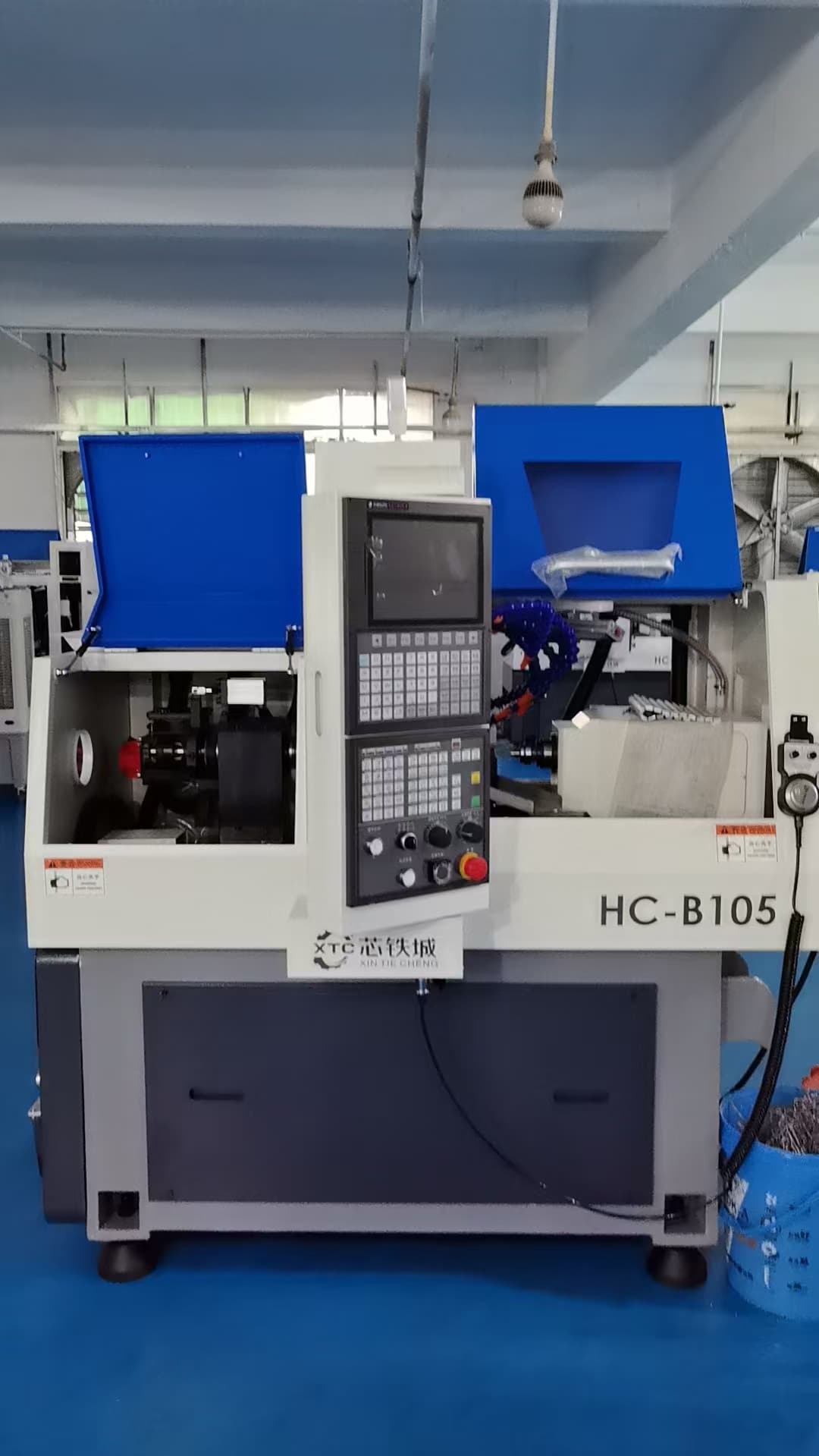
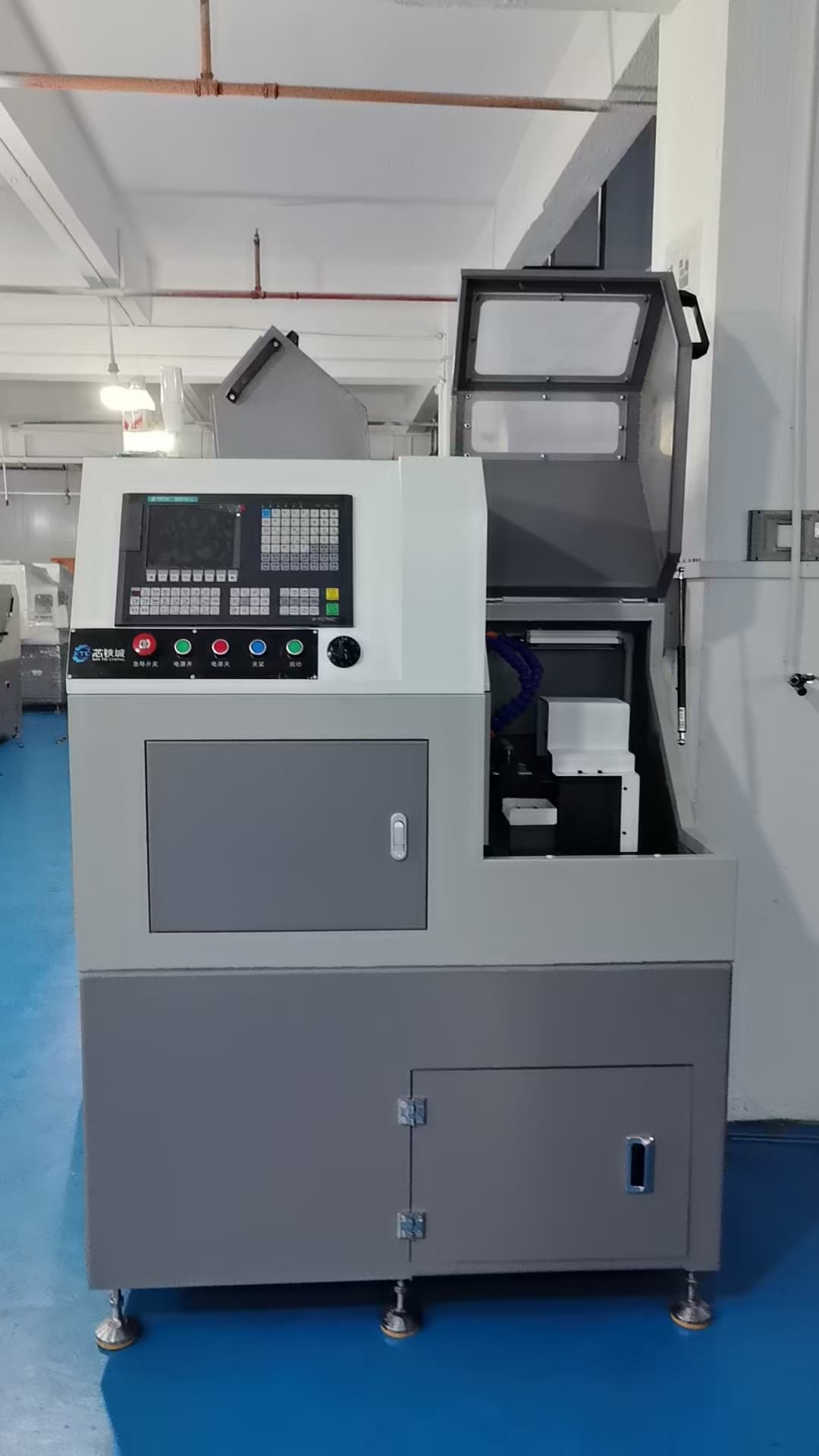
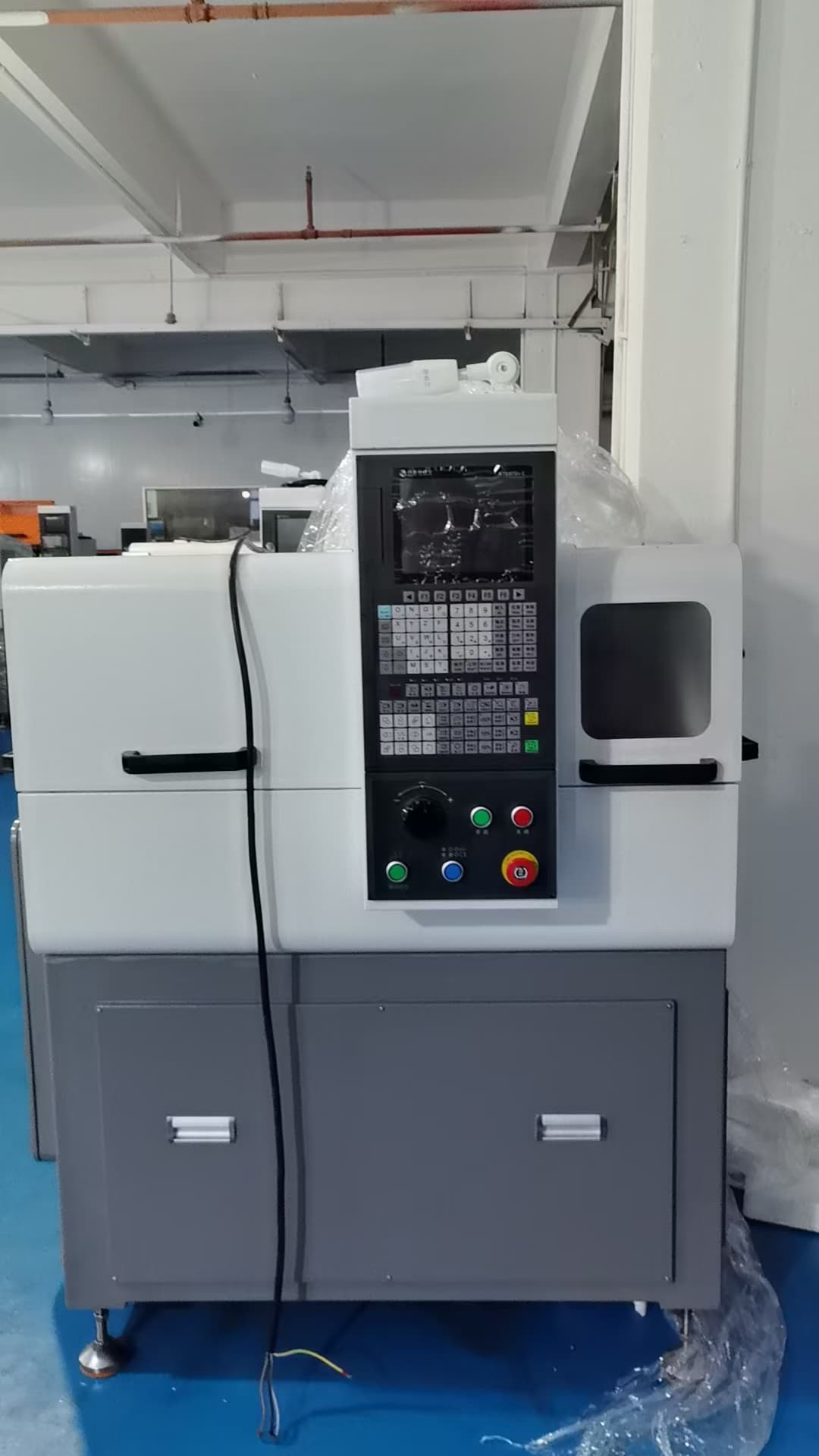
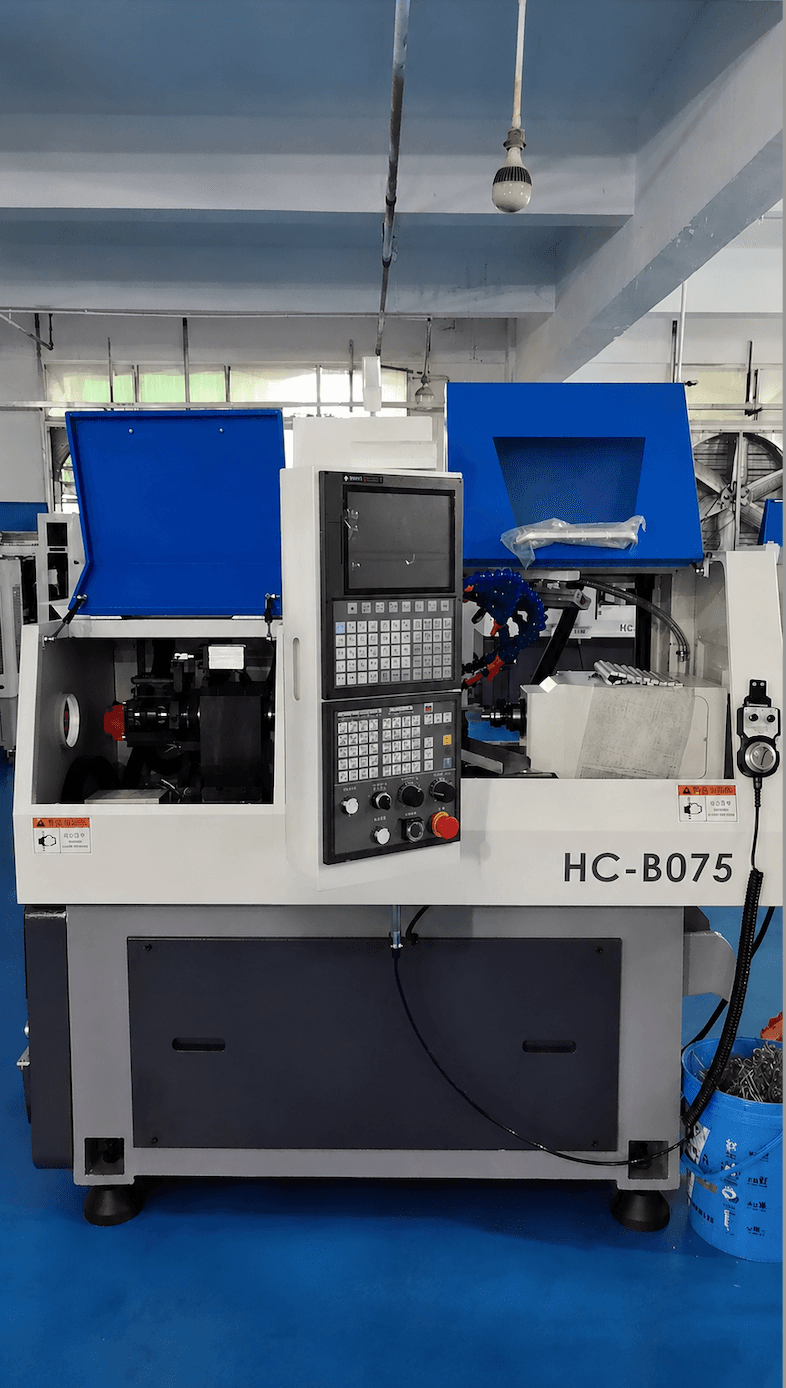
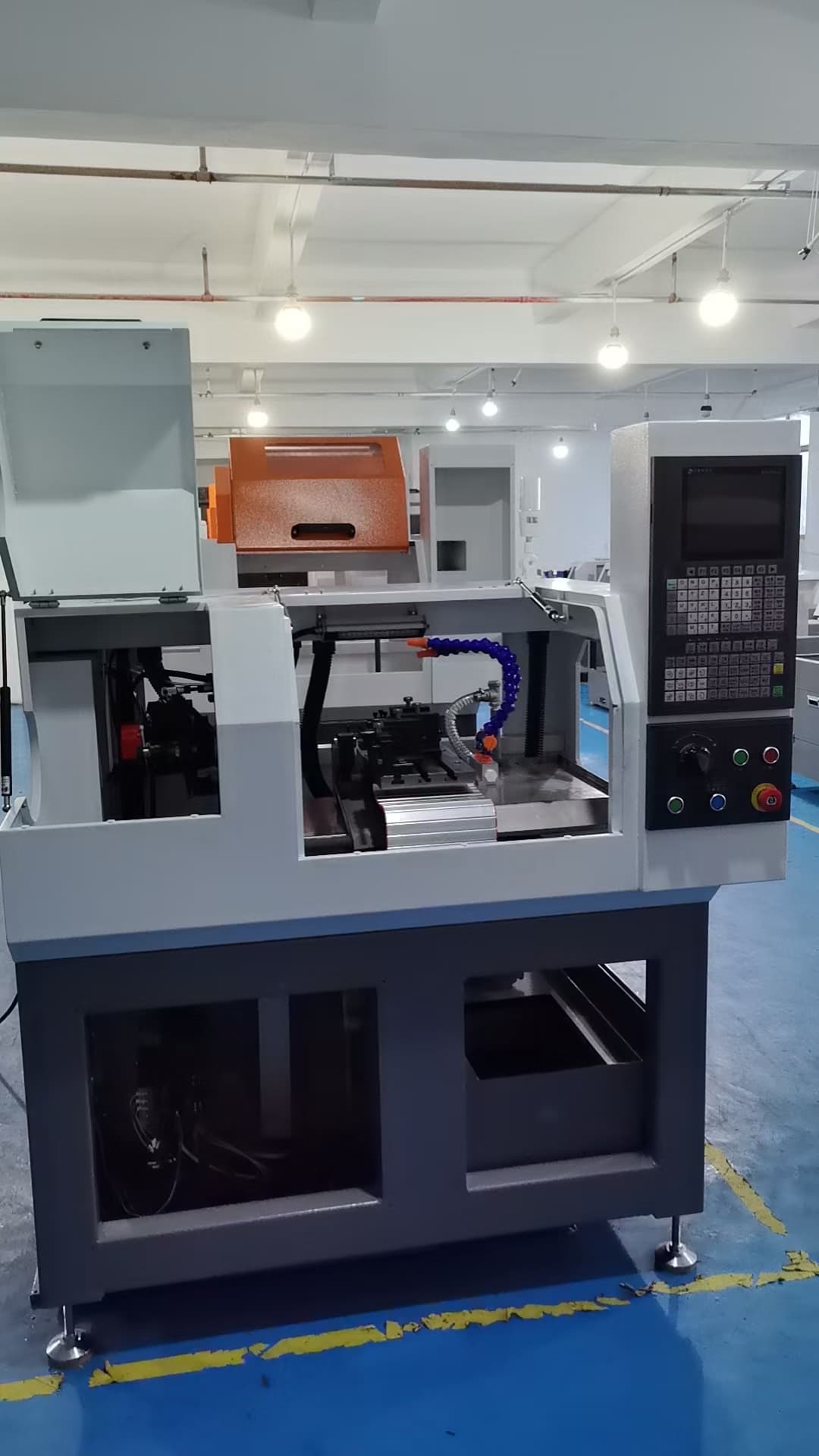
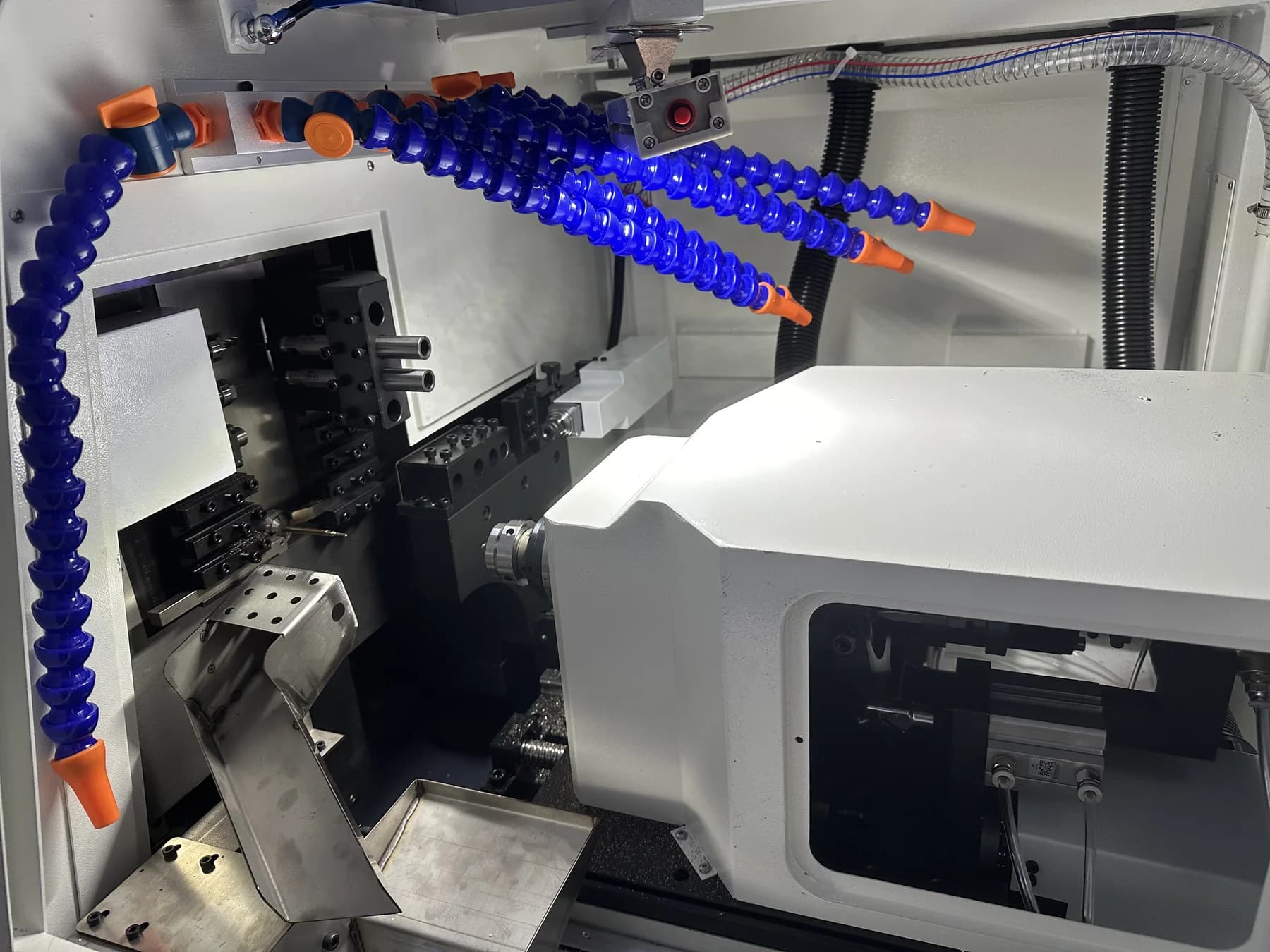
A catalogue tool count describes an arrangement, not automatic suitability. HC-B103 lists 14 tools. HC-07Y lists 11 tools. HC-07BAO lists 7 tools with a C-axis and one powered tool. HC-07D lists 9 tools for turning and front drilling.
The correct question is not which number is largest. It is whether the required turning tools, drills and powered operations fit the proposed sequence without unsupported assumptions.
Powered tools should follow the part features
Cross holes, flats, slots and indexed features may create a powered-tool or C-axis requirement. A part that only needs turning and front drilling may not benefit from the same configuration. A part with confirmed back-side operations may need a different architecture again.
Material, tool size, access and required finish still need process confirmation. The presence of a powered tool does not prove that every milling or drilling feature is practical.
What a useful engineering review should produce
An engineering review should produce a shortlist, a proposed operation order and a clear configuration direction. It distinguishes documented machine specifications from the application details used to define the final process plan.
- Confirmed part diameter, length, material and tolerance
- Front-side, radial and back-side operation list
- Required turning, drilling and powered-tool requirements
- Standard equipment versus optional equipment
- Open questions that must be verified before quotation
HC-07BAO small-parts machining
This published close-up video shows multiple operations on a small shaft-type component. Use it to observe the process, then verify the actual drawing and tool plan separately.
View it in the process video library →This guide draws on current manufacturer specifications and factory technical documentation. Our engineering review connects the drawing, tooling, cycle time, tolerance and required configuration for the intended application.