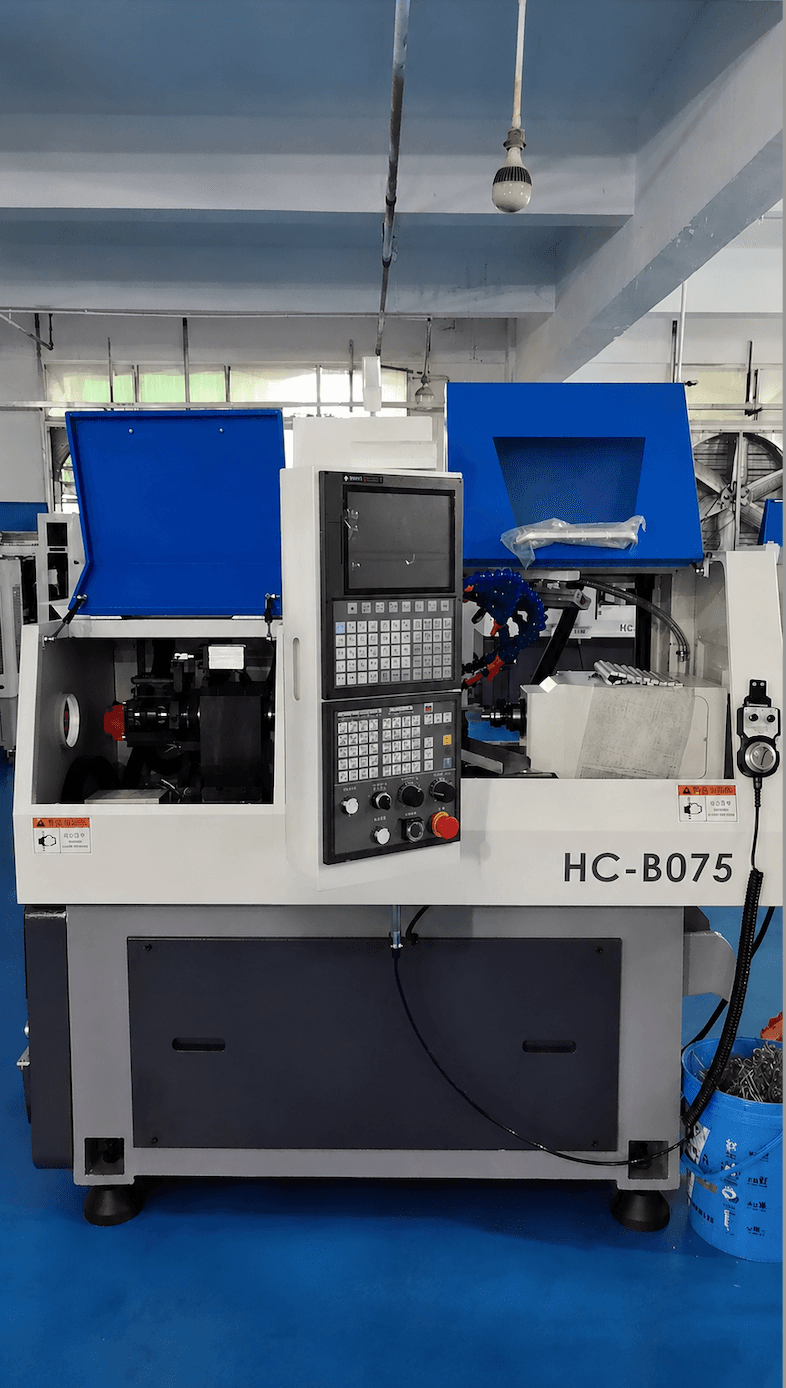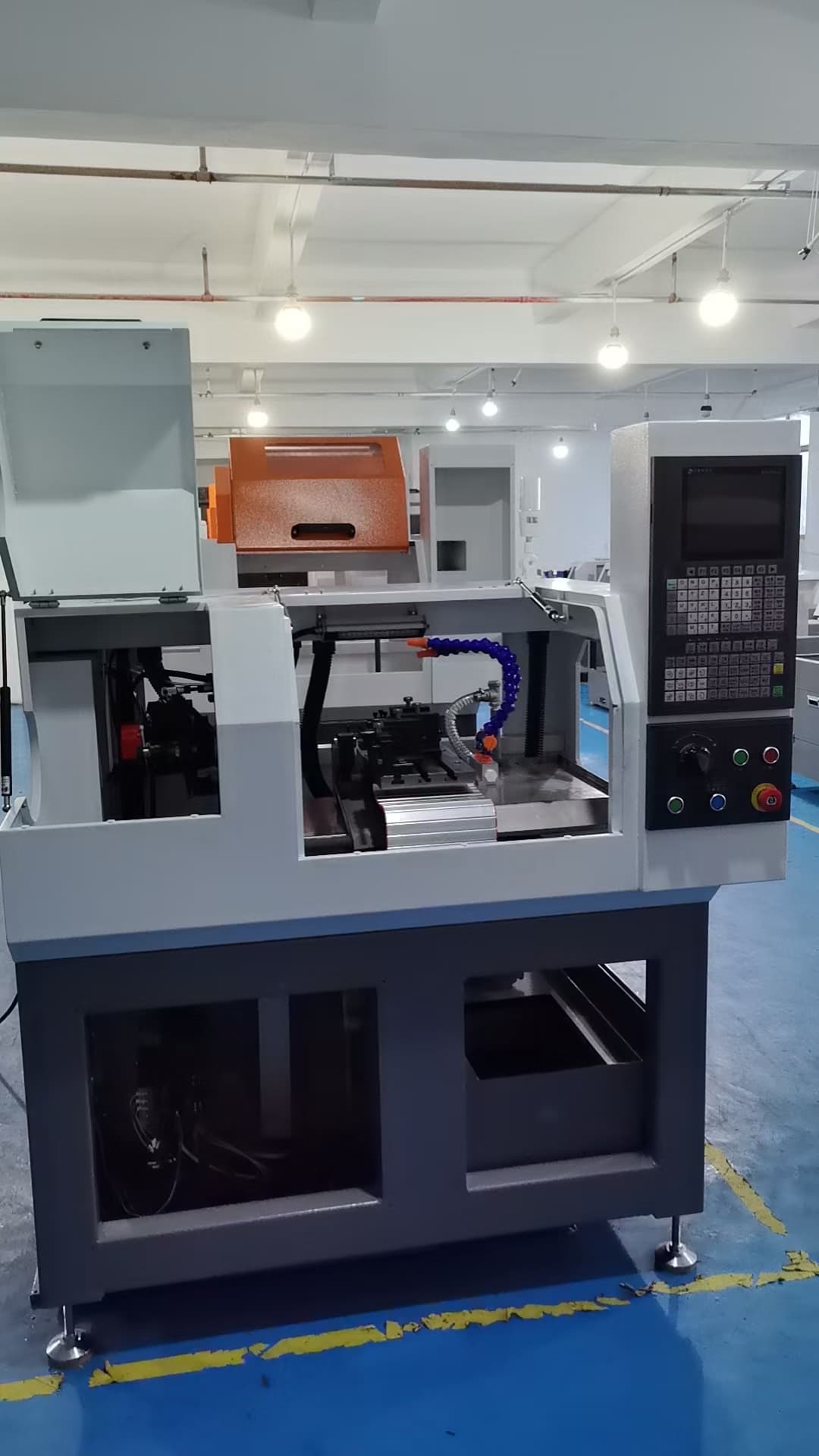
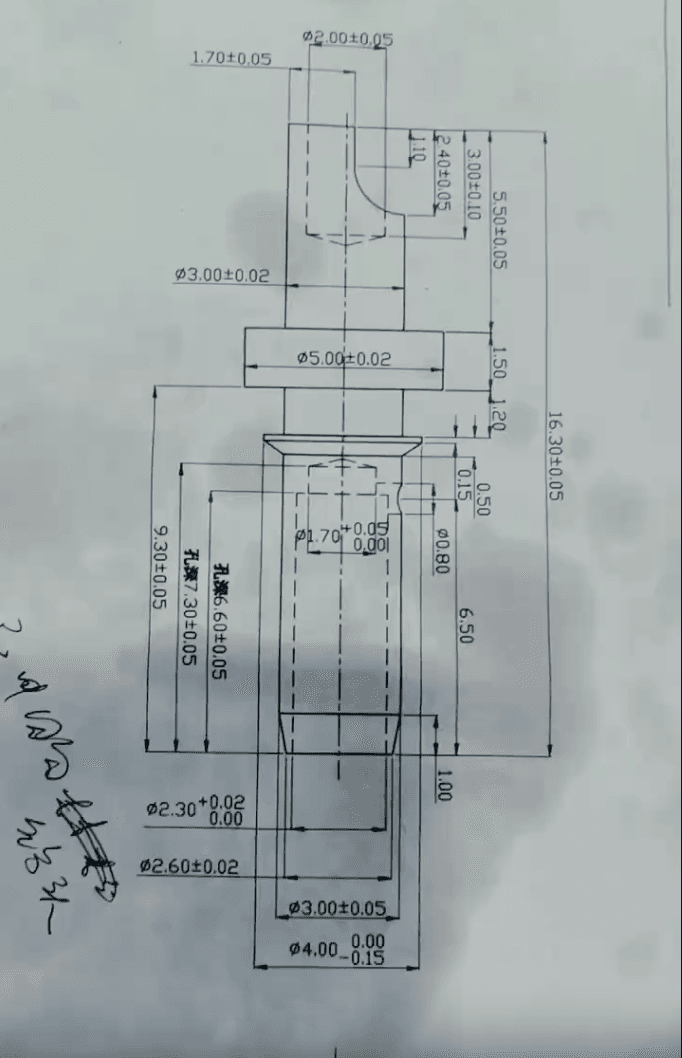
The drawing answers the first technical questions
A machine catalogue shows capacity, but it does not show whether your part is commercially practical on that machine. The drawing gives the reviewer the dimensions, tolerances, geometry and process clues needed to build a sensible shortlist.
- Maximum and minimum diameters
- Overall and machined lengths
- Material and heat-treatment information
- Tolerance and surface requirements
- Threads, holes, slots, flats and back-working features
Production quantity changes the answer
A technically possible process is not always the best investment. Monthly volume, batch size, changeover frequency and the factory's current equipment help determine whether a compact machine or a more capable dual-spindle platform is justified.
What if the drawing is confidential?
You can begin with a simplified drawing, a sample photo and the key dimensions. Remove customer names or unrelated commercial information. For a final process recommendation, enough geometry and tolerance information must still be available.
A useful preliminary-review package
For the fastest first response, send the drawing or sample photo together with material, monthly quantity, required operations and any current production problem. The review can then focus on the machines that are genuinely relevant.
This guide draws on current manufacturer specifications and factory technical documentation. Our engineering review connects the drawing, tooling, cycle time, tolerance and required configuration for the intended application.